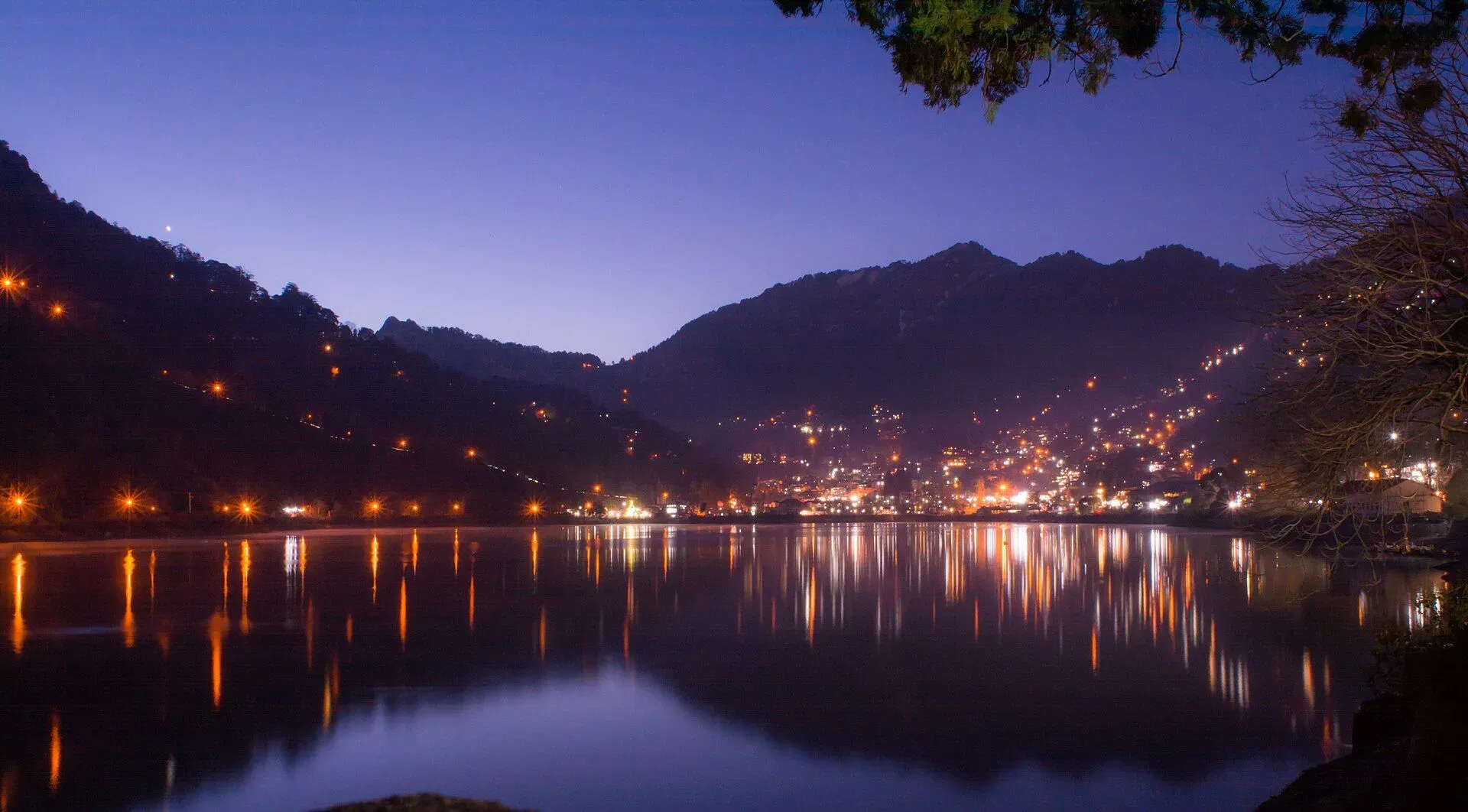
The Lake City is beautiful in every season, so the “best” time really depends on what you want — pleasant summer days, lush monsoon hills, crystal-clear autumn views or a chance of winter snow. This month-by-month guide helps you choose.
Summer (March to June) — the peak season
This is Nainital’s most popular window. Days are pleasantly warm (roughly 15–27°C) while the plains swelter, making it ideal for boating, the Mall Road and viewpoints. It is also the busiest and priciest time, so book your hotel and cab well in advance, especially over long weekends.
Monsoon (July to September) — green and quiet
The hills turn vivid green and waterfalls come alive, and you will find fewer crowds and better value. The trade-off is rain and the occasional landslide-related road delay on hill sections, so keep your plans flexible and let an experienced local driver handle the wet mountain roads.
Autumn (October to November) — the clearest views
For many, this is the sweet spot. The air is washed clean after the monsoon, the Himalayan skyline is at its sharpest from viewpoints like Snow View and Tiffin Top, and the weather is crisp and comfortable — excellent for photography and day trips to Mukteshwar or Kausani.
Winter (December to February) — cosy and possibly snowy
Winters are cold (often near freezing at night) and quiet, with a real chance of snowfall in late December and January. If you dream of a snowy hill holiday it is magical, but pack warm layers and expect some higher roads to be affected on heavy-snow days.
Frequently asked questions
What is the best month to visit Nainital?
April–June for classic pleasant hill weather, or October–November for the clearest Himalayan views and thinner crowds.
Does it snow in Nainital?
Yes, snowfall is possible in late December and January, though it is not guaranteed every year.
Is monsoon a good time to visit Nainital?
It is lush, cheaper and peaceful, but expect rain and occasional road delays — flexible plans and a local driver help a lot.